Feet in Salisbury live two different years. From May to September they are out in sandals, yard work, and pool decks, visible and washed often. From November to March they disappear into socks and boots, get washed and forgotten, and come back in spring with cracked heels and neglected toenails. A lot of seasonal foot advice is repeated confidently and is only half right, so this piece sorts the common claims about seasonal foot and pedicure care into true, false, and it depends.
The claims, sorted
| Claim | Verdict | Why |
|---|---|---|
| Feet do not need care in winter because nobody sees them | False | Toenails keep growing and thicken if untrimmed; inside boots, overlong nails press, bruise, and lift. Heels crack worst in dry winter air. |
| Callus should be removed completely | False | A thin callus layer protects weight-bearing skin. Removing all of it leaves tender skin that rebuilds thicker. The goal is thin and smooth, not gone. |
| Cracked heels are just dry skin | It depends | Usually dryness plus pressure, and moisturizer with urea helps. Cracks that bleed, hurt, or do not improve can signal a skin condition or circulation issue worth a doctor's look. |
| Summer pedicures need to be more frequent | True | Heat, sweat, open shoes, and barefoot surfaces wear polish and skin faster. Every 3 to 4 weeks in sandal season is a sensible rhythm for most people. |
| Cutting toenails in a curve looks better and is fine | False | Curved corners dig into the skin as the nail grows and are the classic setup for ingrown toenails. Straight across, with corners just softened, is the safe shape year-round. |
| Barefoot walking toughens feet healthily | It depends | At home it can be fine for healthy feet. On pool decks and locker floors it raises exposure to athlete's foot and warts, and for anyone with diabetes, barefoot is a risk not worth taking. |
Sandal season: the visible months
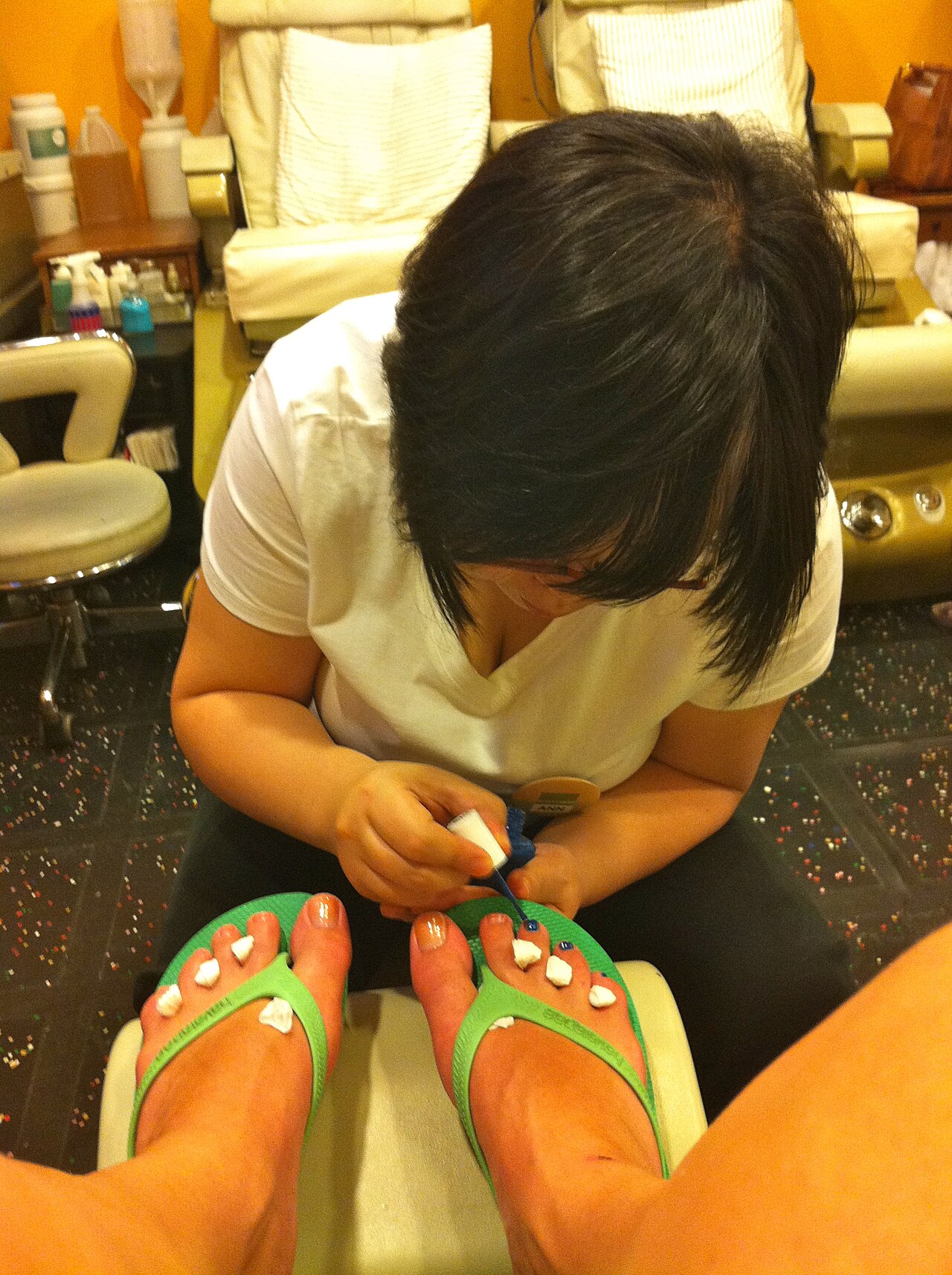
Summer care in the Piedmont is about moisture of the wrong kind. Humidity and sweat soften skin, softened callus tears more easily, and warm, damp shoes are where athlete's foot thrives. Dry between the toes after swimming and showers, rotate shoes so pairs dry fully, and keep toenails short and straight for sandals and trail shoes alike. Polish lasts well in summer if the nail was properly dried and prepped; the season's real enemy is chipping from pools, lake days, and barefoot decks, so a gel pedicure holds up noticeably better for people who are in the water weekly.
Boot season: the forgotten months
Winter reverses the problem. Heated indoor air is dry, showers run hotter, and heels pressed into boots all day crack along the edge of the callus. A thick moisturizer at night, ideally with urea to soften callus gradually, plus socks over it, does more than any single pedicure. Toenails still need trimming every few weeks, straight across, even though no one sees them; the damage from skipping it, bruised and thickened nails, shows up in April. A winter pedicure at Avalon nail can be polish-free: soak, trim, callus work, and moisture, which is the version feet actually need in January.
The two transition checks
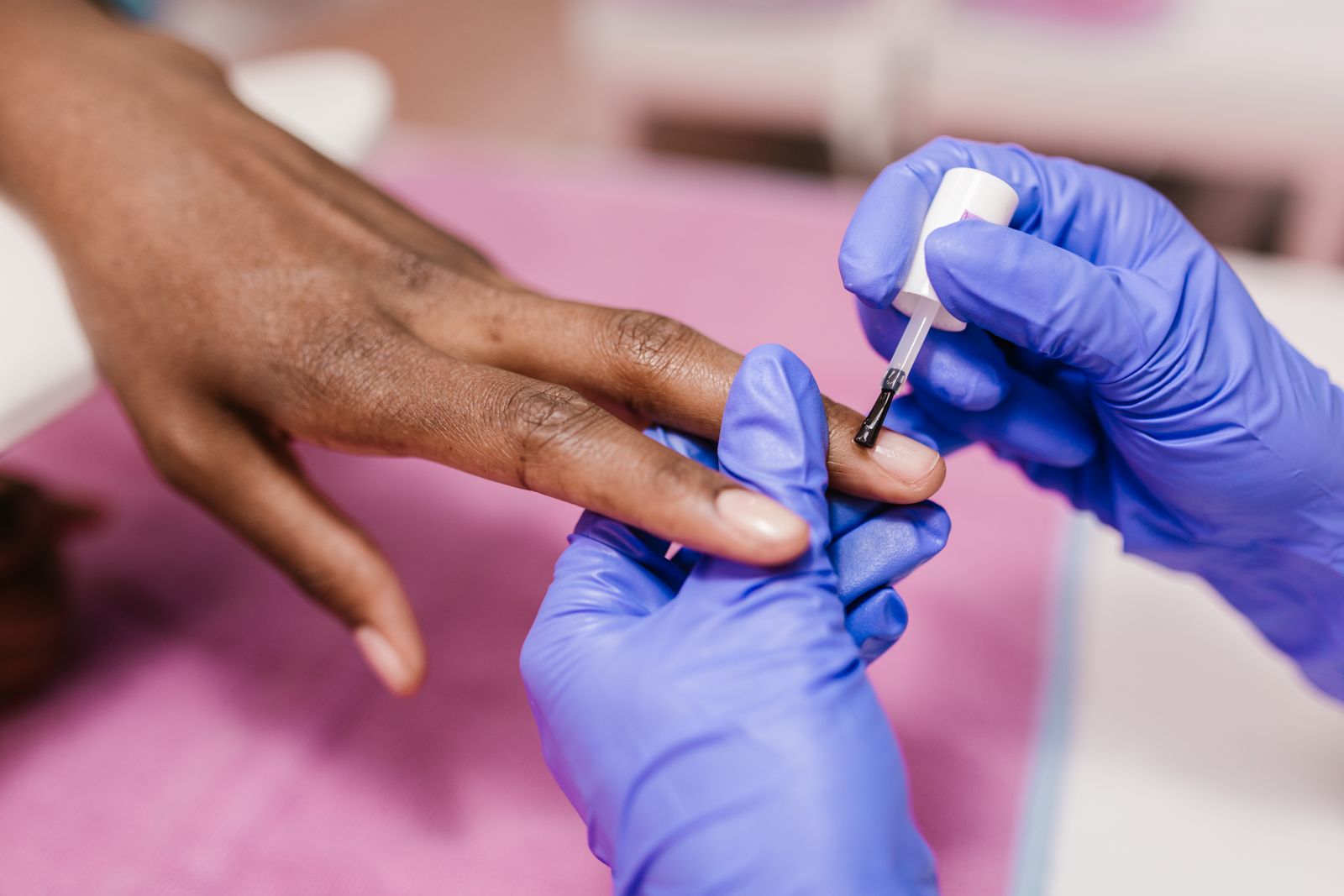
Twice a year, when shoes change, do a deliberate check. In spring, look for thickened or discolored toenails that developed unnoticed in boots, cracks that did not heal, and moles or spots on the feet you have not seen since fall. In autumn, shorten nails before boot season, deal with summer callus buildup, and switch from light lotion to a heavier heel cream before the first crack appears rather than after. Most seasonal foot trouble is caught at these two moments or missed until it hurts, usually in the first warm week when sandals come back out and every neglected detail shows at once.
Common questions
How often should I get a pedicure in winter?
Every 5 to 6 weeks is enough for most people if you trim nails and moisturize at home between visits. If heels crack easily or nails grow fast, keep the summer rhythm of every 4 weeks.
Can I leave toenail polish on all winter?
It is better not to. Months under old polish hide discoloration and thickening you should be seeing. Take it off in fall, check the nails, and give them the boot season bare or in fresh polish changed regularly.
What is the fastest fix for a cracked heel?
Soak briefly, file the rough edge gently, apply a urea-based cream, and cover with socks overnight, repeated nightly. Deep or bleeding cracks should skip the file entirely and get checked if they do not improve in a week.
Photos in this guide are representative stock images.
← All guides from Avalon nail← Back to Avalon nail