Nail biting is rarely about vanity, and lectures about germs do not stop it. It is a habit loop: a rough edge or a moment of stress triggers it, biting smooths the edge for a second, and the torn result creates the next rough edge. A regular manicure routine helps because it attacks the loop at its starting point. Smooth, short, finished nails give your fingers far less to find. In Salisbury, technicians at Avalon nail see this pattern often, and a good one will treat it as maintenance, not a failing.
Understand the loop before fighting it
Most biting starts with scanning: fingertips running over nails feeling for a snag, a lifted corner, a bit of dry cuticle. Finding one focuses attention, and biting follows almost automatically, often during driving, reading, or screen time. That is why willpower at the moment of biting is the weakest tool, and why changing the surface itself works better. A short set with sealed edges and tidy cuticles removes the triggers your fingers are searching for.
The skin around the nail matters as much as the nail. Dry, peeling cuticles and hangnails are bitten and picked at constantly. Keeping that skin moisturized and trimmed properly removes half the targets on its own.

A routine that gives the habit less to work with
- Start with a short, neat professional set. Book a manicure and ask for nails kept short, just to the fingertip, with rounded or soft-square edges. Gel polish or a structured overlay adds thickness that makes biting unsatisfying and protects the nail while it grows.
- Choose coverage you cannot pick easily. A smooth gel finish seals the free edge completely. Matte finishes and neutral shades keep regrowth inconspicuous between appointments, so a small chip does not become a new trigger.
- Add a bitter-tasting polish if you go bare. Bitter nail treatments are clear, dry matte, and exist for exactly this purpose. The taste interrupts the automatic part of the loop, catching you at the first contact rather than after damage is done. Reapply every couple of days as it wears.
- Fix snags the same day, with a file. Keep a fine file where you bite most: car, desk, bedside. The rule is simple, file it, do not bite it smooth. Thirty seconds of filing removes the trigger the habit was about to use.
- Moisturize cuticles morning and night. A drop of cuticle oil or a thick hand cream worked around each nail keeps the surrounding skin from drying, peeling, and presenting new edges. In Piedmont winter air and heated rooms, this step does more than any other at home.
- Book maintenance every two weeks at first. Short intervals keep edges sealed and cuticles tidy while new nail grows in. As the habit fades and length stabilizes, most people stretch to three weeks without the triggers returning.
- Give your hands a substitute. A smooth stone, a ring to turn, or gum during the situations where biting usually happens covers the moments a manicure cannot. Pairing the routine with one substitute works better than either alone.
What healing actually looks like
Bitten nails recover from the cuticle outward. The new growth near the cuticle comes in smooth and attached; the damaged free edge has to grow out and be trimmed away over several months. Expect the nail bed to look short at first even as growth improves, since a bed that has been bitten for years reattaches gradually as it is left alone and protected. Progress photos a month apart show the change far better than daily checking, which itself becomes another form of scanning.
When biting points to something else
If biting regularly breaks skin, causes bleeding or infections around the nail, or feels impossible to interrupt despite real effort, it is worth raising with a doctor. Habit loops tied to anxiety sometimes need that level of support, and there is no shame in it; it is a common, treatable pattern. A salon routine still helps the nails themselves, but it should be the support act, not the only plan.
Common questions
Will gel polish stop me biting?
It helps most people because it is thick, smooth, and hard to get teeth into, and it seals the edges that trigger scanning. It works best paired with short length and regular two-week maintenance, not as a one-time fix.
My nails are too short and damaged for polish. Where do I start?
Start with a plain manicure: shaping what is there, cuticle care, and oil. Even very short nails can usually hold a clear structured coat within a visit or two once the surrounding skin calms down.
How long until bitten nails look normal?
Visible improvement usually shows in four to six weeks of growth from the cuticle. A full fingernail replaces itself over several months, so complete recovery of length and nail bed shape is a season-long project, not a month-long one.
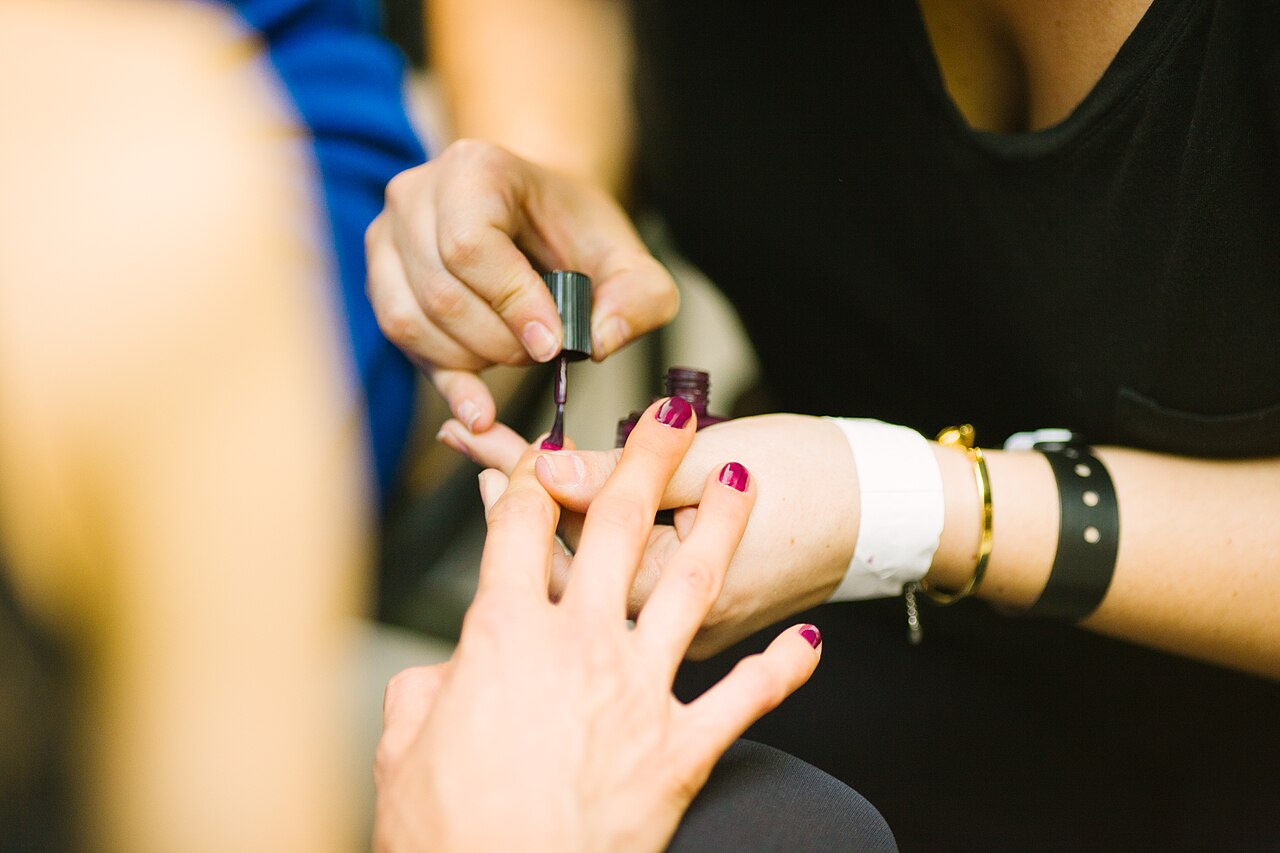
Photos in this guide are representative stock images.
← All guides from Avalon nail← Back to Avalon nail